
I’ll be honest with you: I did not walk into the Digital Council Africa Women’s Day breakfast expecting a South African cabinet minister to hand me the most useful leadership theory I’ve heard this year. And yet that’s exactly what happened.
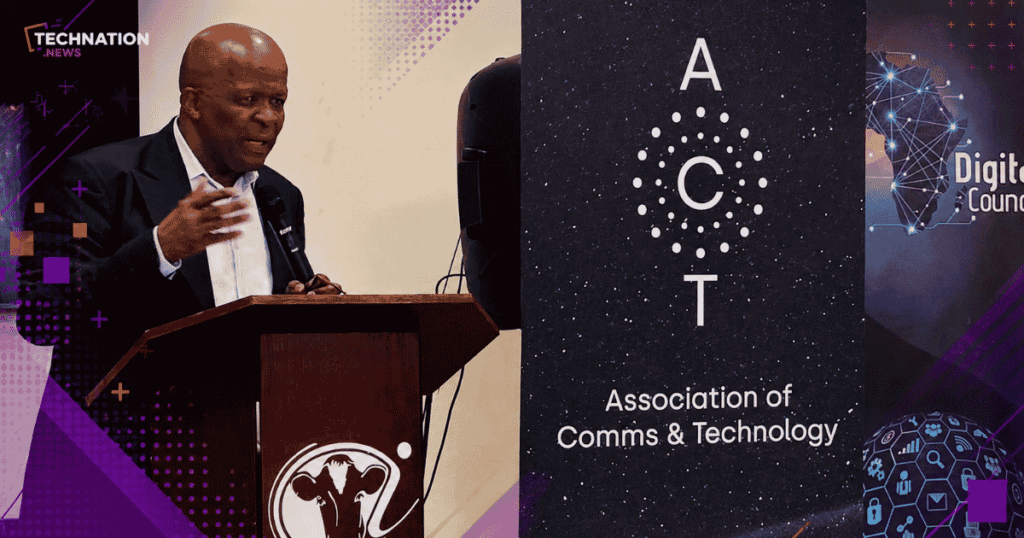
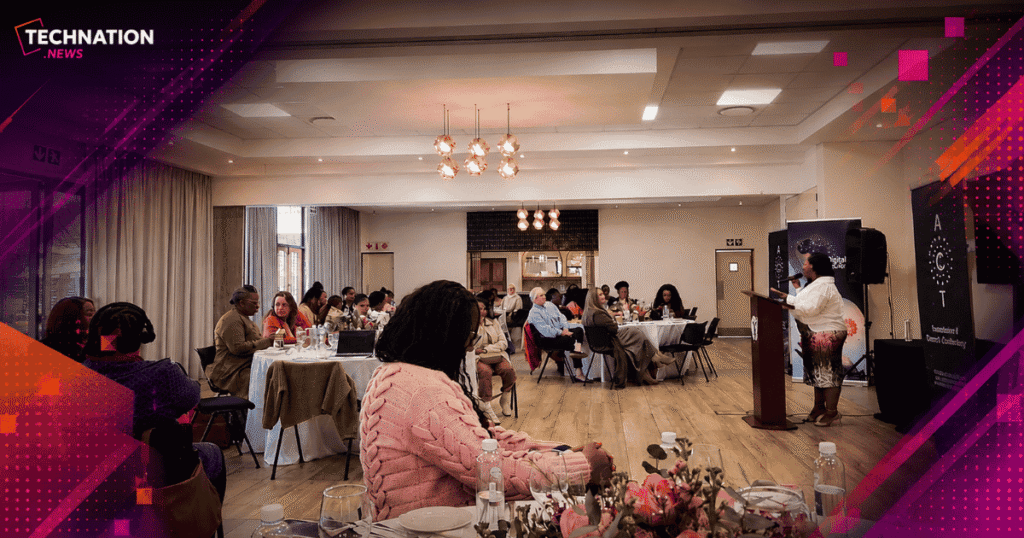
Deputy Minister Mondli Gungubele delivered the keynote address at the “Women Leading the Digital Future” executive breakfast, part of Digital Council Africa’s Women’s Month programming. The DCA is a South African-founded, non-profit organisation that has been working on digital infrastructure, policy dialogue and inclusion across the continent since 2010.
Women’s Day breakfast
The format was an executive panel over breakfast, and it was more thought-provoking than most keynote speeches I’ve sat through in a decade of covering this beat.
Gungubele opened with a point that was refreshingly direct, and one that many panels on this topic tend to avoid: women in digital leadership have been treated like a representation exercise when it’s really more of a competitiveness question.
“Today, still, it’s not about representation at all. It is about leadership. It is about competitiveness. It’s about quality growth.”
A leadership theory
He then offered a theory he calls it the ‘law of alternatives.’ From childhood, boys in patriarchal societies are told they are heirs. Their power is assumed so effort becomes optional. Girls, on the other hand, are given no such assumption. They have no declared power, so the brain becomes the tool.
That is also why emotional intelligence gets built early in young girls, mostly out of necessity. By the time both men and women arrive in a professional or business setting, the woman has spent two decades sharpening what the man was never required to develop.
“When they are alone, they are mentally stronger, suddenly, versus a man who is supposed to have the fundamental advantage,” he said. I’ve watched researchers make this argument for years but I’ve never heard a minister say it so cleanly.
The economic argument for gender equality
Who gets invited into the room where strategy is set and policy is written is not a neutral decision, and it never has been. It is about gender, and every institution pretending otherwise is haemorrhaging the people it cannot afford to lose.
The economic argument is the one government should be making loudest, and usually isn’t. Gungubele argued that 70% of economic value in the next decade will come from digitally based platform business models. We cannot credibly talk about a digital economy while women entrepreneurs continue to struggle to access capital.
“Every brilliant woman excluded from opportunity represents innovation our country never benefits from,” Gungubele said.
Why SA needs to step up
The cost of exclusion is a measurable drag on national output. It begs the question: how does South Africa keep showing up at the table of global digital leadership while leaving so much of its own talent locked out of the economy that table represents?
I didn’t agree with every part of the speech. The closing line (that technology can’t transform institutions and only people can) risks becoming one of those phrases that sounds great in theory and then vanishes in a puff of glitter the moment budgets and implementation enter the conversation.
But the core argument is sound and the sourcing is honest. Gungubele did not stand in front of a Women’s Month breakfast and tell women we are inspiring. He told us this is a structural problem and that the cost was measurable.
The question, as always, is what the people who fund and hire and promote and invite do next.
NOW READ: SA’s poverty map still looks like the apartheid homeland borders