
AWS thinks the AI experimentation phase is over. Now it’s spending $1 billion to help customers actually deploy it.
After years of businesses experimenting with AI, AWS says the conversation has changed completely. Businesses used to ask what AI can do. The question now is how can companies get it into their actual operations.
AWS investing in FDE
To support that shift, AWS is investing $1 billion in a new Forward Deployed Engineering (FDE) organisation. The idea is to put AWS engineers alongside customer teams and help them build and deploy AI systems in the real world.
The company says the model could shrink deployment timelines from months to days while leaving customers with the skills and systems to keep going long after its engineers have left.
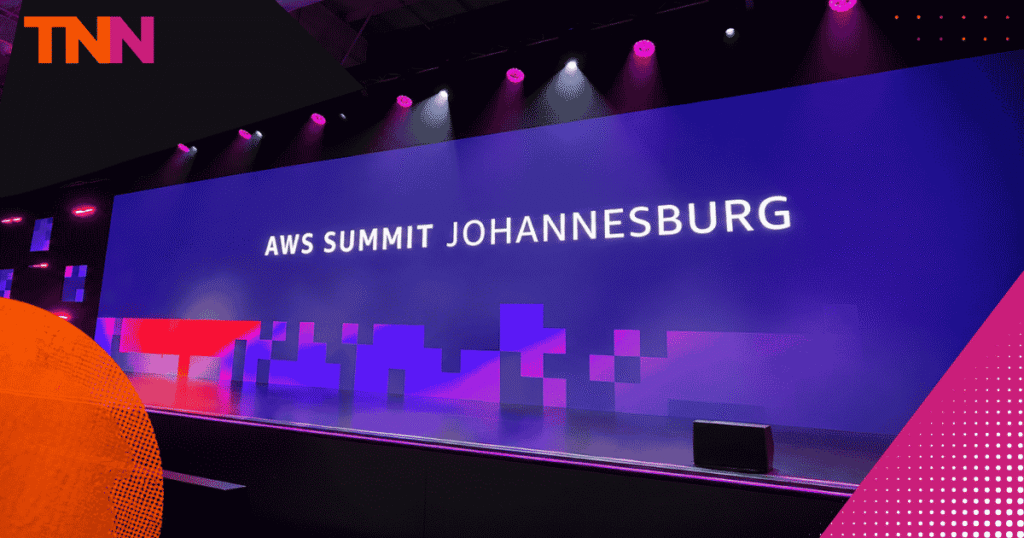
It was a recurring theme at AWS Summit Johannesburg on Wednesday. Tanuja Randery, AWS vice president and managing director for EMEA, was clear about where the industry needs to go:
“AI strategy is not really an ‘or’, it’s an ‘and’. It’s really building on what you’ve got and making it better.”
While it may sound obvious in practice, it is the part where a lot of companies are getting stuck. Randery offered this advice to businesses looking to make the leap: “Be bold, dream really, really big, but execute at pace, and don’t worry about making mistakes.”
Forward Deployed Engineering (FDE)
FDE is AWS’s answer to that gap. Rather than handing a customer a set of recommendations and walking away, AWS engineers work directly with the customer’s teams. They use the customer’s data, systems and rules to build AI solutions that can actually go into production.
Speaking to media in Johannesburg, AWS Executive in Residence Jonathan Allen described it as a way to bring experts alongside customers while they build.
The process follows a simple 45-45-45 structure: 45 minutes, 45 hours and 45 days:
- The first 45 minutes are spent working out what the customer wants to achieve.
- The next 45 hours are about figuring out how to build it.
- The following 45 days are aimed at getting it into production.
Allen compared it with the early days of cloud computing, when engineers could sit beside each other and work through problems together.
AI changes what that looks like now. Basically, AWS engineers can bring in existing data patterns and infrastructure rather than making the customer start from scratch every time.
Post-engagement
AWS is also making a big deal about what happens after the engagement. FDE projects are designed to leave customers with working AI systems as well as the knowledge needed to operate and improve them. They describe this as customer self-sufficiency.
It also tackles a practical problem with AI projects: what happens when the people who built them move on? AWS says its engineers will work with customer teams throughout the process so that those teams move from watching the work to building it themselves.
He said AWS is seeing engineers actively looking for ways to use AI to solve business problems, while leadership teams are looking for help with areas such as security and governance.
Companies will have to keep up with that learning curve as AI becomes part of more of their day-to-day work.
A global investment
AWS has been talking up its African investment throughout the Johannesburg Summit. The company said it has invested $819 million in Africa since 2018 and committed another $1.5 billion. It has trained one million people across the continent in cloud and AI skills.
When asked at the media roundtable how the $1 billion would be allocated regionally, Allen said the programme is currently global, not just limited to Africa. He said AWS would look to offer it in South Africa when appropriate.
For a continent where companies often have to work around skills shortages and uneven infrastructure, access to experienced engineering teams could be useful. But AWS will still have to prove that the model works beyond the large organisations that can already afford serious cloud and AI projects.