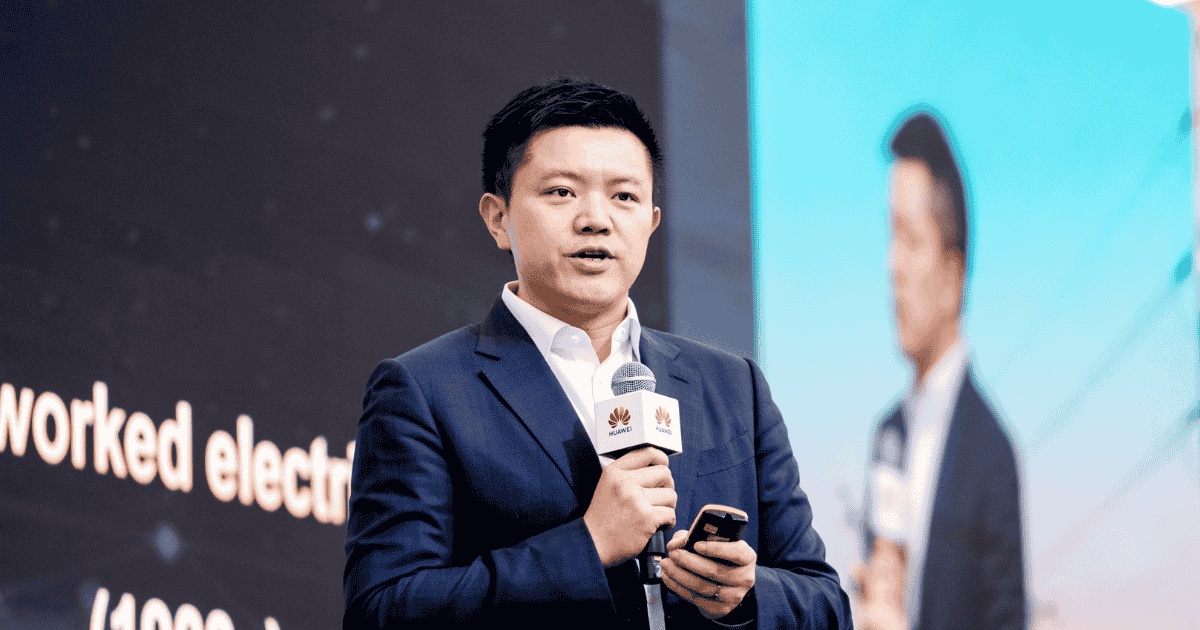

At the Huawei Cloud Summit in Barcelona on 3 March 2026, the company announced an “Industry AI Foundry” and showcased CodeArts, an AI-powered coding agent aimed at speeding up software work.
The summit theme was “Huawei Cloud: Solving Industry Challenges with AI,” highlighting Huawei’s goal to serve as the bedrock for business innovation.
What Huawei Cloud announced
Huawei’s headline announcements were split between a strategy layer and a product layer. The strategy stack is the “Industry AI Foundry.”
The product layer is HCF and CodeArts, which Huawei says will be available globally in the second half of 2026.
There’s also a third thread running through the whole release, which is positioning.
Huawei Cloud is framing itself as the infrastructure base for AI adoption, plus the foundation that turns AI into something industries can use without building everything from scratch.
The ‘secure and reliable’ positioning
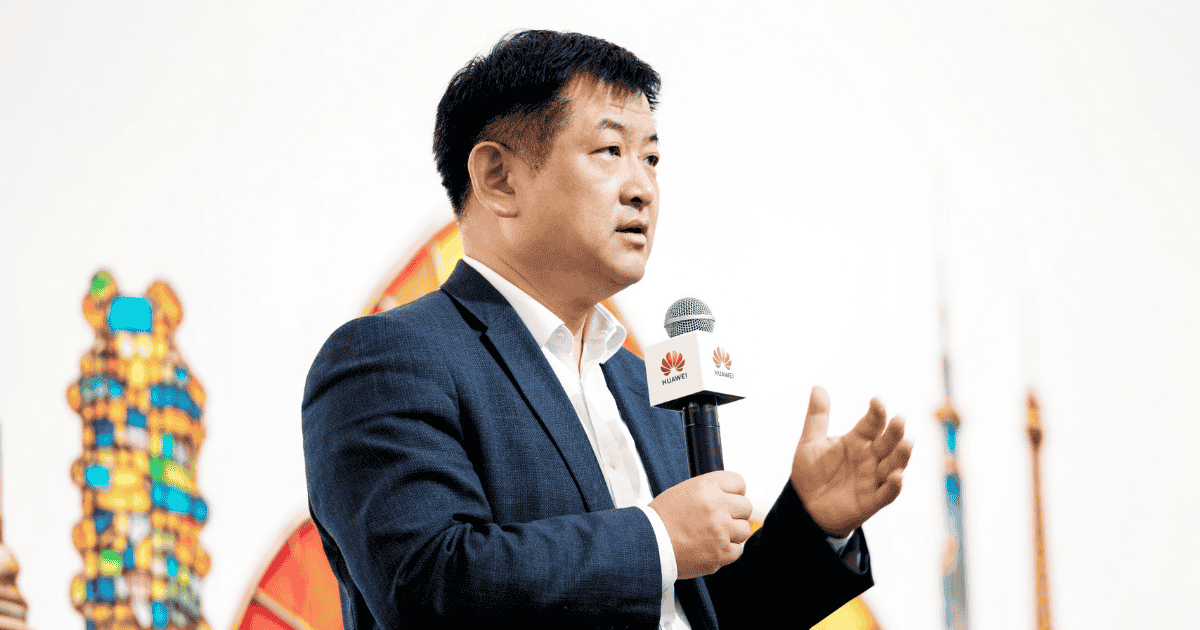
In his opening remarks, Huawei Cloud CEO Dr Peter Zhou said cloud and AI are central to Huawei’s strategy.
He also said Huawei will keep investing in R&D and innovation, with a focus in 2026 on “secure, reliable, and quality cloud services.”
That’s the tone of the whole release. It’s less “here’s a flashy demo,” and more “here’s how we’re building for real-world, business-critical workloads.”
Industry AI Foundry
Tim Tao, President of Huawei Cloud Solution Sales, described what he sees as a shift in AI priorities.
His argument is that the focus is moving away from sheer compute and toward efficiency gains that businesses can actually measure.
He also used this metaphor: cloud computing as the “public power grid” of the AI era. The point is that cloud becomes the baseline utility companies plug into when they want to move fast.
What Huawei says the Foundry includes
Huawei Cloud positioned the Industry AI Foundry as a blueprint for solving industry pain points with AI. It will do this by providing AI infrastructure and industry models.
It also says there is an agent platform. It’s a broad description, and it’s light on specifics.
Huawei Cloud Foundation (HCF)
Huawei Cloud Foundation is Huawei’s latest hybrid cloud pitch.
Huawei says it is designed for governments and enterprises dealing with complicated IT environments.
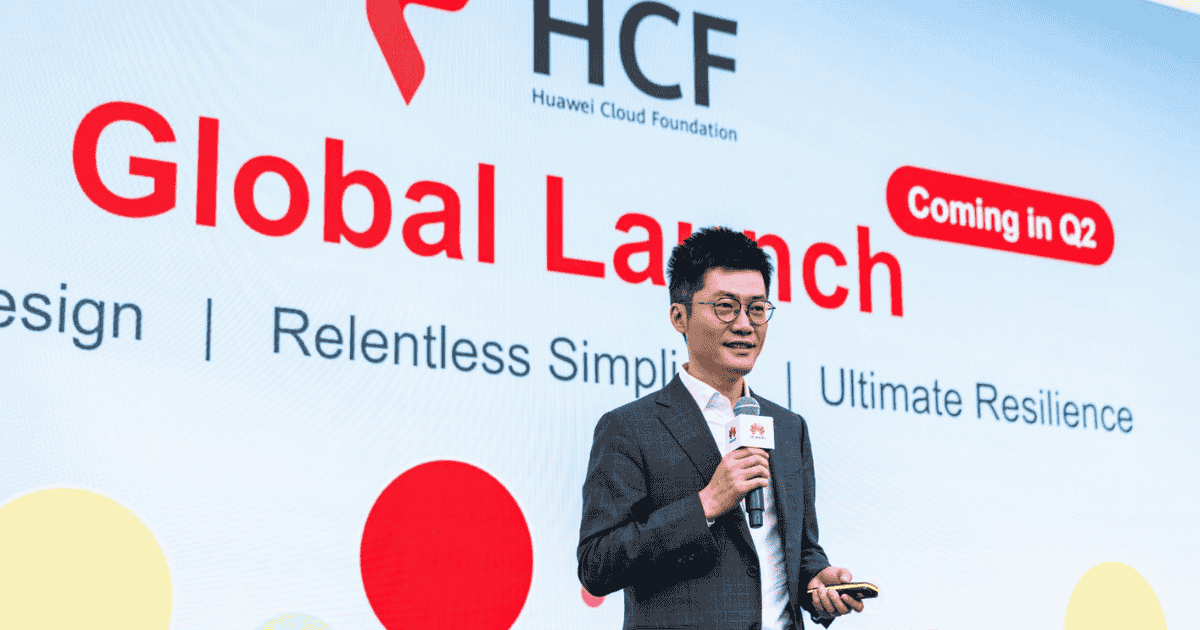
The language here is about openness, simplicity, and resilience. Huawei also frames it as a way to accelerate AI adoption while keeping security strong.
Why hybrid cloud is still the fight
Hybrid cloud exists because organisations rarely get to start fresh. Most enterprises have legacy systems, plus compliance demands.
They also have internal politics.
HCF is Huawei essentially saying they can plug into that chaos and still help business move.
CodeArts, Huawei’s AI coding agent
CodeArts is Huawei’s developer productivity play.
Huawei describes it as a combination of code models, an IDE, and autonomous development capabilities.
It supports AI-powered code generation and unit test case generation. It also mentions codebase indexing.
Another feature called spec-driven development (SDD) is included in the list.
CodeArts integrates with open-source models, including GLM-5 and DeepSeek-V3.2. It also works alongside Huawei’s proprietary models.
Partnerships and scale claims
The summit included speakers from IDC, KoçSistem, SMSA, Serpro, and Nextcloud.
The emphasis was on how organisations are navigating AI adoption, plus what they are building with Huawei Cloud.
Huawei also included scale claims. It said it has 101 availability zones across 34 regions. It said it serves customers in more than 170 countries and territories.
It also claimed 941 consecutive days of stable and secure operations.
What to watch next
Huawei’s message is clear.
It wants to provide the AI infrastructure layer, and it also wants to offer industry-focused tools and platforms built on top of that foundation.
The next step is seeing how these launches perform in practice, including which deployments deliver measurable gains and how quickly organisations start seeing results after rollout.